by
by 
Want to lose weight and build healthier habits—but don’t want to start another complicated plan you’ll abandon after a week?
Try a weight loss challenge instead.
A good challenge gives you one or two simple behaviors to focus on for a short period rather than asking you to overhaul your entire life overnight.
And it doesn’t have to involve a crash diet, hours at the gym, or weighing yourself every morning.
Below you’ll find 25 weight loss challenge ideas, including food, walking, fitness, and healthy-habit challenges. I’ve also kept my original 14-day home workout challenge, but updated it to make it more beginner-friendly and realistic.
The goal isn’t to see how much weight you can force yourself to lose in 14 or 30 days.
It’s to find healthier habits you can actually keep doing after the challenge ends.
How to Choose a Weight Loss Challenge
Before picking one from the list, ask yourself:
What is one behavior that would make the biggest difference in my routine right now?
Maybe you rarely exercise.
Maybe takeout has become the default because you’re exhausted at dinner time.
Maybe sugary drinks are an everyday habit.
Or perhaps you try to change everything at once and end up sticking with nothing.
Start there.
I’d rather see you complete one realistic challenge for 30 days than attempt eight challenges on Monday and quit all of them by Friday.
25 Weight Loss Challenge Ideas
Healthy Eating Challenges
1. No Sugary Drinks Challenge
For the next 14 or 30 days, replace sugar-sweetened drinks with options such as:
- Water
- Sparkling water
- Unsweetened tea
- Unsweetened coffee
- Water flavored with fruit or citrus
You don’t need to eliminate every gram of sugar from your diet.
The challenge is simply to stop drinking a significant amount of added sugar.
2. Protein-at-Breakfast Challenge
Include a protein-rich food with breakfast every day.
Depending on what you eat, that could include eggs, Greek yogurt, cottage cheese, tofu, beans, or another protein source you enjoy.
The challenge isn’t about buying special “diet” foods.
It’s about building a breakfast that’s more substantial than coffee and whatever you can grab while running out the door.
3. Vegetable-at-Dinner Challenge
Add at least one vegetable to dinner every night for 30 days.
Frozen counts.
Pre-cut counts.
Air-fried counts.
This is a busy-person challenge, not a cooking competition.
4. Cook-at-Home Challenge
Pick a realistic target, such as:
Cook dinner at home at least four nights per week.
Planning simple meals at home can give you more control over what goes into them without requiring a complicated meal-prep Sunday.
5. High-Fiber Food Challenge
Include fiber-rich foods throughout your day.
Think:
Vegetables, fruit, beans, lentils, oats, whole grains, nuts, and seeds.
Don’t suddenly increase your fiber intake dramatically overnight. Increase it gradually and drink adequate fluids.
6. Planned-Snack Challenge
If 3 p.m. hunger usually ends with whatever happens to be closest, plan your snack before you get hungry.
Try combinations such as:
- Fruit + yogurt
- Apple + nut butter
- Vegetables + hummus
- Greek yogurt + berries
- Whole-grain crackers + cheese
The goal isn’t to stop snacking.
It’s to make the decision before you’re starving.
Walking Challenges
7. 20-Minute Walking Challenge
Walk for 20 minutes each day for 14 or 30 days.
If 20 minutes isn’t realistic yet, start with 5 or 10.
Some physical activity is better than none, and you can build up gradually. Current U.S. guidelines recommend adults work toward at least 150 minutes of moderate-intensity aerobic activity per week plus muscle-strengthening activity on at least two days.
8. After-Dinner Walk Challenge
Take a 10–15 minute walk after dinner.
This is one of my favorite challenges because the trigger is already built into your day:
Finish dinner → go for a walk.
If you have kids, make it a family walk.
9. Increase-Your-Steps Challenge
Forget about forcing yourself to hit 10,000 steps immediately.
Track your normal activity for several days first.
Then choose a realistic increase.
If you’re currently averaging 4,000 steps, for example, your first goal might be 5,000—not 15,000.
10. Weekend Family Walk Challenge
Choose one longer walk each weekend.
Go to a park, explore your neighborhood, walk a trail, or simply take the family somewhere you can move around together.
It counts even if nobody calls it a “workout.”

Fitness Challenge Ideas
11. 10-Minute Strength Challenge
Do a simple 10-minute strength workout three times per week.
You can use:
- Bodyweight
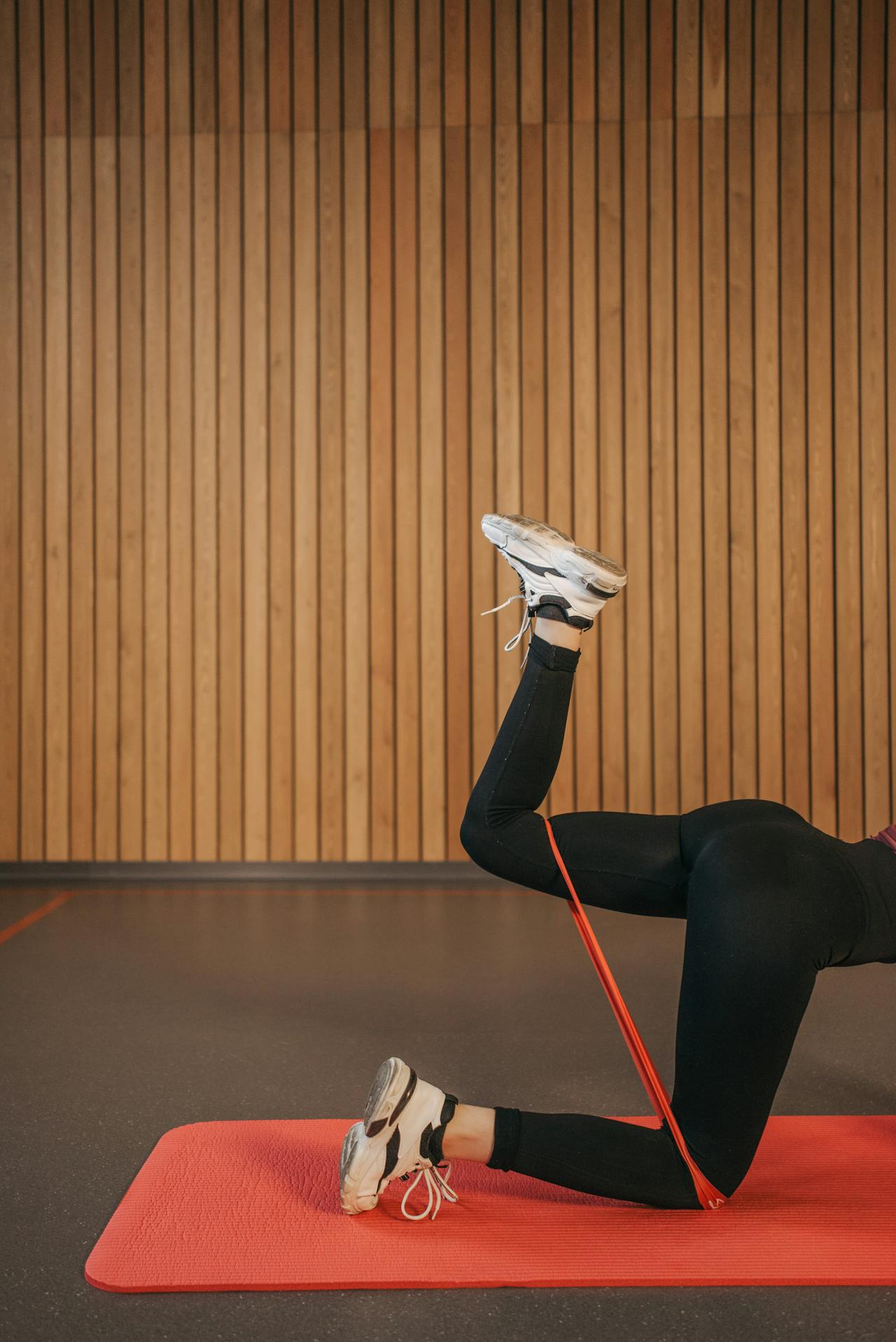
- Resistance bands
- Dumbbells
- Household objects
A short workout you consistently complete is more useful than the perfect 60-minute routine you never have time for.
12. Squat Challenge
Practice squats regularly and gradually increase according to your ability.
Start with a chair if necessary.
For example:
Week 1: 2 × 8
Week 2: 2 × 10
Week 3: 2 × 12
Week 4: 3 × 10
Quality matters more than chasing an enormous rep count.
13. Plank Challenge
Instead of promising that planks will “burn belly fat,” use them for what they’re actually good at:
building strength and stability.
Start with a version appropriate for you and gradually increase the duration.
Knee and elevated planks count.
14. Three-Workout Week Challenge
Your entire rule:
Complete three planned workouts each week.
They don’t need to be identical.
You might do:
Monday — strength
Wednesday — brisk walk
Saturday — cycling
Consistency wins this challenge.
15. Try-Something-New Challenge
Try one different form of movement every week for a month.
Maybe:
Week 1: yoga
Week 2: resistance training
Week 3: dance workout
Week 4: hiking
Finding movement you genuinely enjoy can make staying active considerably easier.
Healthy Habit Challenges
16. Water-With-Meals Challenge
Instead of obsessing over an arbitrary number of bottles, make hydration easier to remember:
Have water available with each meal.
Your individual fluid needs vary with factors such as activity, environment, diet, and health.
17. Evening-Snacking Awareness Challenge
If evenings are when you tend to eat automatically rather than because you’re hungry, spend 14 days noticing the pattern.
Before grabbing something, ask:
Am I physically hungry, or am I tired, stressed, bored, or simply following a routine?
If you’re genuinely hungry, eat.
This isn’t a challenge to ignore hunger.
It’s a challenge to understand your habits.
18. Consistent Sleep-Routine Challenge
Pick a realistic bedtime routine and repeat it.
That might be:
9:30 — kitchen cleanup
9:45 — shower
10:00 — phone away
10:15 — read
10:30 — lights out
Don’t make it elaborate.
The easier it is, the more likely you are to repeat it.
19. Phone-Away-Before-Bed Challenge
Put your phone away 30 minutes before bed.
Use that time for something quieter: reading, stretching, preparing tomorrow’s clothes, or simply getting to bed earlier.
20. One-Minute Daily Check-In
At the end of every day, answer three questions:
What went well today?
What made healthy choices difficult?
What’s one thing I can make easier tomorrow?
That’s it.
No guilt-filled diary required.
Weight Loss Challenge Ideas for Busy Moms
These are the challenges I’d particularly consider if your biggest problem isn’t knowing what to do—it’s finding time to do it.
21. 20-Minute Dinner Challenge
Make a quick, balanced dinner at home at least four nights per week.
Don’t choose recipes requiring 17 ingredients and three pans.
Keep a shortlist of meals you can get onto the table quickly.
If you have an air fryer, my Healthy Air Fryer Meals for Families, Ready to Eat in Under 20 Minutes collection is designed specifically for nights like these.
22. Five-Minute Morning Challenge
Choose one healthy action that takes five minutes or less and do it every morning.
Examples:
Fill your water bottle.
Pack a snack.
Decide what’s for dinner.
Stretch.
Take a quick walk outside.
The goal is not to create a 90-minute influencer morning routine.
It’s five minutes.
23. Decide-Dinner-Tonight Challenge
Every evening, answer one question:
What are we having for dinner tomorrow?
You don’t necessarily have to meal prep it.
Just decide.
Removing the 5 p.m. “what on earth am I making?” decision can make healthier dinners much easier.
24. Family Movement Challenge
Get everyone moving for 15–20 minutes.
Walk.
Dance.
Kick a ball around.
Ride bikes.
Go to the playground.
It doesn’t need to look like formal exercise to count as movement.
25. One-Habit-Only Challenge
If you tend to start ambitious health plans and quickly become overwhelmed, this one’s for you.
Pick one challenge from this article.
Do it for 30 days.
That’s your entire plan.
Don’t add seven new rules on Day 4 because you’re feeling motivated.
Give one behavior enough time to become easier.
Want a Ready-Made Plan? Try My 14-Day Weight Loss Challenge
If choosing from 25 ideas feels like another decision you don’t have time to make, start here.
This updated version of my original 14-day weight loss challenge combines short home workouts with one simple habit focus at a time.
You don’t need to complete every workout at maximum intensity.
Adjust exercises to your fitness level and build gradually.
| Days | Movement | Mini Challenge |
|---|---|---|
| 1–3 | 10-minute full-body strength | Notice your current habits |
| 4–6 | Core + low-impact cardio | Replace sugary drinks |
| 7 | Walking + recovery | Review Week 1 |
| 8–10 | 15-minute strength | Add vegetables to dinner |
| 11–12 | Walking/cardio + resistance | Decide tomorrow’s dinner tonight |
| 13–14 | Active recovery + favorite movement | Choose one habit to continue |
Days 1–3: Full-Body Basics
Let’s start simply.
10-Minute Workout
Complete:
Bodyweight squats: 2 sets × 8–12
Wall or modified push-ups: 2 × 8–10
Glute bridges: 2 × 10–12
Marching in place: 60 seconds
Rest when needed.
Beginner Modification
Use a chair for squats and perform push-ups against a wall or countertop.
Challenge
Don’t change anything yet.
Spend these first three days noticing:
When are you most hungry?
When do you usually exercise—or skip it?
When does healthy eating become hardest?
You can’t make your routine easier until you know where it’s breaking down.
Days 4–6: Core + Cardio
Workout
Complete 2–3 rounds:
Elevated or knee plank: 20–30 seconds
Bird dog: 8 per side
Marching or low-impact high knees: 45 seconds
Bodyweight squat: 10
Rest: 30–60 seconds
Want More Intensity?
If you’re already active, you can substitute exercises such as mountain climbers or faster high knees.
Challenge
Replace your usual sugar-sweetened beverages with lower-sugar alternatives for these three days.
Day 7: Walk + Reset
Today isn’t about “earning” your food.
Take an easy walk, stretch, or do another form of gentle movement you enjoy.
Then spend five minutes reviewing your first week.
Ask:
Which part was easiest?
Which part kept getting skipped?
What could I change to make Week 2 easier?
Your goal isn’t a perfect score.
Your goal is learning what works in your actual life.
Days 8–10: Strength + Stability
15-Minute Workout
Complete 2–3 rounds:
Reverse lunges or supported split squats: 8 per leg
Dumbbell/household-object deadlift: 10–12
Shoulder press: 8–10
Glute bridge: 12
Bird dog: 8 per side
Beginner Modification
Hold onto a chair during lunges or replace them with sit-to-stand squats.
Challenge
Add a vegetable to dinner each night.
Nothing fancy required.
Frozen broccoli tossed into the air fryer absolutely counts.
Days 11–12: Cardio + Resistance
Choose an activity you can comfortably sustain:
Brisk walking, cycling, dancing, swimming, or another aerobic activity.
Aim for around 15–20 minutes according to your current fitness level.
Then add a short resistance circuit:
Band row: 10–12
Squat: 10
Glute bridge: 12
Wall push-up: 8–10
Repeat twice if comfortable.
Current guidelines emphasize that activity can be accumulated throughout the week and that some activity is better than none, so don’t dismiss shorter sessions just because you can’t fit in a long workout.
Challenge
Before bed, decide what you’re having for dinner tomorrow.
One decision.
Done.
Days 13–14: Active Recovery + What’s Next?
For the final two days, choose movement you genuinely enjoy.
Try:
- Walking
- Gentle cycling
- Yoga
- Stretching
- Dancing
- Swimming
- An easy family activity
Then answer the most important question in this entire challenge:
Which habit from the past 14 days would I be willing to continue for another month?
That’s the habit to keep.
Not necessarily the hardest one.
Not the one that sounds most impressive.
The one you can repeat.
What Should You Eat During a Weight Loss Challenge?
You don’t need a special “challenge diet.”
Build meals around foods that help you create a balanced eating pattern you can maintain.
That can include:
Protein: chicken, fish, eggs, Greek yogurt, tofu, beans, lentils.
Vegetables and fruit: fresh, frozen, or canned options that work for your budget and schedule.
Fiber-rich carbohydrates: oats, potatoes, beans, whole grains, fruit.
Fats: nuts, seeds, avocado, olive oil, and other sources in amounts that fit your overall needs.
And don’t underestimate convenience.
Frozen vegetables, canned beans, rotisserie chicken, pre-cut vegetables, and quick air-fryer meals aren’t “cheating.”
They’re tools.
If convenience makes healthy eating possible on Wednesday night when everyone is tired, use it.
How to Make a Weight Loss Challenge Actually Work
Make the Goal Behavioral
Instead of:
“Lose 10 pounds this month.”
try:
“Walk for 20 minutes five days per week.”
You control whether you walk.
You don’t completely control what the scale does on any particular day.
Don’t Start Five Challenges at Once
More rules don’t necessarily produce better results.
If you’re doing the walking challenge, sugar-free-drinks challenge, workout challenge, fasting challenge, no-takeout challenge, and 5 a.m. challenge simultaneously, you’ve created a second job.
Pick the behavior most likely to help.
Keep Your Minimum Small
Create a version you can still complete on a terrible day.
For example:
Normal goal: 20-minute walk.
Busy-day minimum: 5-minute walk.
This prevents one chaotic Tuesday from turning into:
“Well, I ruined the challenge. I’ll restart next month.”
Track What You Do, Not Just What You Weigh
Your tracker can record:
Walk completed ✓
Workout completed ✓
Vegetable with dinner ✓
Planned tomorrow’s dinner ✓
Bedtime routine ✓
Those are wins you can directly control.
Make It Social If That Helps You
Invite a friend, partner, coworker, or family member.
You don’t have to compete over who loses the most weight.
Instead, challenge each other to complete the behavior.
Who got their walks in?
Who completed their workouts?
Who cooked dinner?
That’s a healthier competition.
Free 30-Day Weight Loss Challenge Tracker
[INSERT EMAIL OPT-IN / DOWNLOADABLE TRACKER HERE]
Want to keep going after the 14-day plan?
Use my 30-Day Weight Loss Challenge Tracker to keep your challenge simple.
Track:
| Day | My Challenge | Movement | Healthy Meal | Sleep Routine | Notes |
|---|---|---|---|---|---|
| 1 | ☐ | ☐ | ☐ | ☐ | |
| 2 | ☐ | ☐ | ☐ | ☐ | |
| 3 | ☐ | ☐ | ☐ | ☐ | |
| … | |||||
| 30 | ☐ | ☐ | ☐ | ☐ |
→ Download the Free 30-Day Challenge Tracker
Helpful Equipment for a Home Weight Loss Challenge
You don’t need to buy equipment to start.
Walking, bodyweight squats, wall push-ups, glute bridges, and plenty of other exercises can be done without purchasing anything.
If you want to build a simple home-workout setup, the three things I’d prioritize are:
Resistance bands — inexpensive and useful for a wide range of strength exercises.
Exercise mat — useful if you’re doing floor exercises, stretching, or yoga.
Dumbbells — useful when you’re ready to progressively increase resistance.
As an Amazon Associate I earn from qualifying purchases.
Frequently Asked Questions
What is a good weight loss challenge?
A good weight loss challenge focuses on a realistic behavior you can repeat consistently.
Walking regularly, cooking more meals at home, reducing sugar-sweetened beverages, doing strength training, or improving your meal planning can all make useful challenges.
Avoid challenges based on extreme restriction or promises of losing a specific amount of weight in a very short period.
What is the best 30-day challenge for weight loss?
There isn’t one challenge that’s best for everyone.
If you’re currently inactive, a progressive walking challenge may be a great starting point.
If exercise is already consistent but your eating routine becomes chaotic at night, a dinner-planning or home-cooking challenge might be more useful.
Choose the challenge that addresses your biggest obstacle.
Can you lose weight in a 14-day challenge?
It’s possible for body weight to change over 14 days, but the amount varies substantially between people and short-term scale changes can reflect factors other than body fat.
I wouldn’t set a goal of losing a particular number of pounds in two weeks.
Use the 14 days to establish behaviors you can continue.
What is a good weight loss challenge for beginners?
Start simple.
Try:
10–20 minutes of walking per day
or
three short workouts per week.
Current physical-activity guidance specifically recommends starting gradually if you’re inactive and working toward the recommended amount over time.
How do I start a weight loss challenge with friends?
Choose one measurable behavior and a start/end date.
For example:
Complete 20 walks in 30 days.
Everyone checks off each completed walk.
I’d avoid making the winner whoever loses the most weight because differences in body size, physiology, health, and other factors make that an unnecessarily poor comparison.
Compete on consistency instead.
What should I track during a weight loss challenge?
Track behaviors you can control.
Good examples include:
- Walks
- Workouts
- Home-cooked dinners
- Sugary drinks replaced
- Bedtime routine
- Vegetables eaten with meals
You can track weight if you want to, but it doesn’t have to be the main scorecard.
Do I need to exercise every day?
No.
Adults are generally advised to work toward at least 150 minutes of moderate-intensity aerobic activity per week plus muscle-strengthening activity on at least two days, and activity can be spread throughout the week.
Recovery is part of training too.
What is a good weight loss challenge for busy moms?
I’d start with a challenge that removes friction rather than adding another obligation.
Try:
Decide tomorrow’s dinner tonight for 30 days.
Or:
Take a 15-minute family walk after dinner.
Or:
Make a 20-minute dinner at home four nights per week.
The best challenge is one that fits around your life rather than requiring your life to revolve around the challenge.
Start With One Challenge
You don’t need another Monday morning when you promise yourself you’re going to change everything.
Choose one idea from this list.
Give yourself 14 or 30 days.
Track whether you do it.
If you miss a day, continue the next day instead of declaring the challenge ruined.
And when the challenge ends, don’t immediately look for something harder.
Ask:
Did this make my life healthier—and is it realistic enough to keep?
If the answer is yes, you’ve found something much more valuable than a 14-day transformation.
You’ve found a habit.
Disclaimer:
This article contains affiliate links, which means I may earn a small commission at no additional cost to you if you purchase through these links. I only recommend products I believe will add value to your health and wellness journey. Thank you for your support!
Health note: This article provides general information, not individualized medical advice. If you have a medical condition, are pregnant or postpartum, have been inactive for a long period, or aren’t sure which types of exercise are appropriate for you, consider discussing your plans with a qualified healthcare professional. CDC guidance likewise recommends consulting a healthcare professional about appropriate activity when relevant health conditions or circumstances apply.